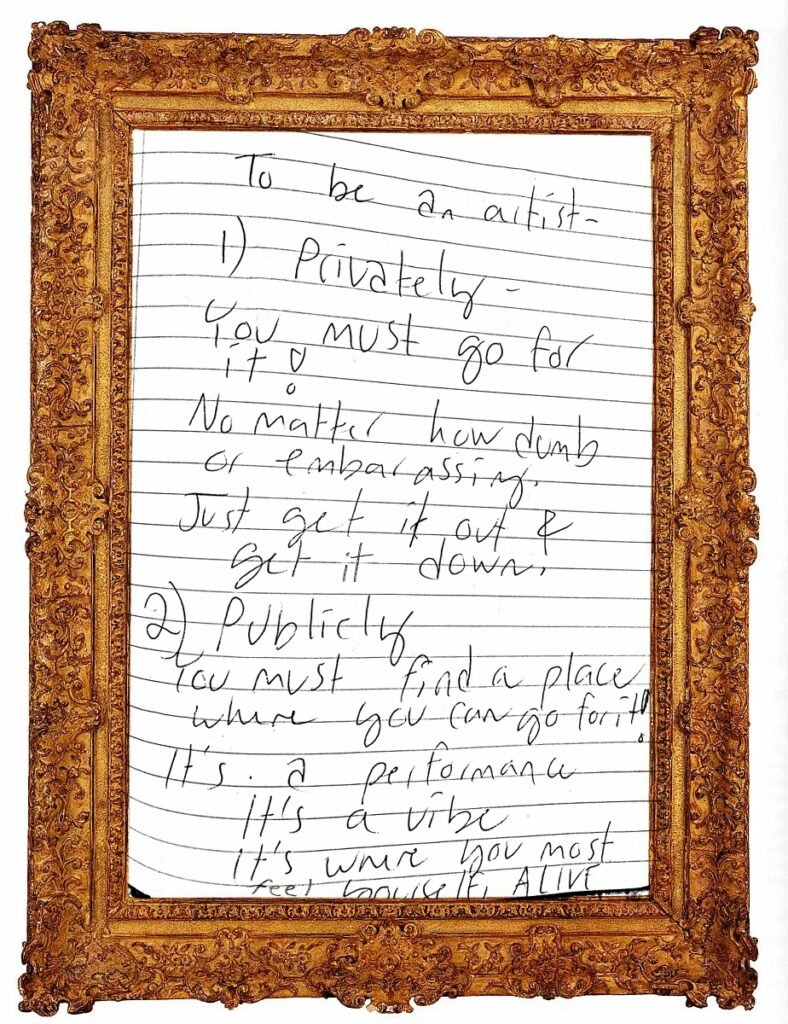
Among my cohort — RGV art scenesters — I am generally associated with zines. That is an understandable thing, because it’s what I publicly spent my 20’s doing, and Ante Books did me a real favor distributing these works when the place was still around (RIP).
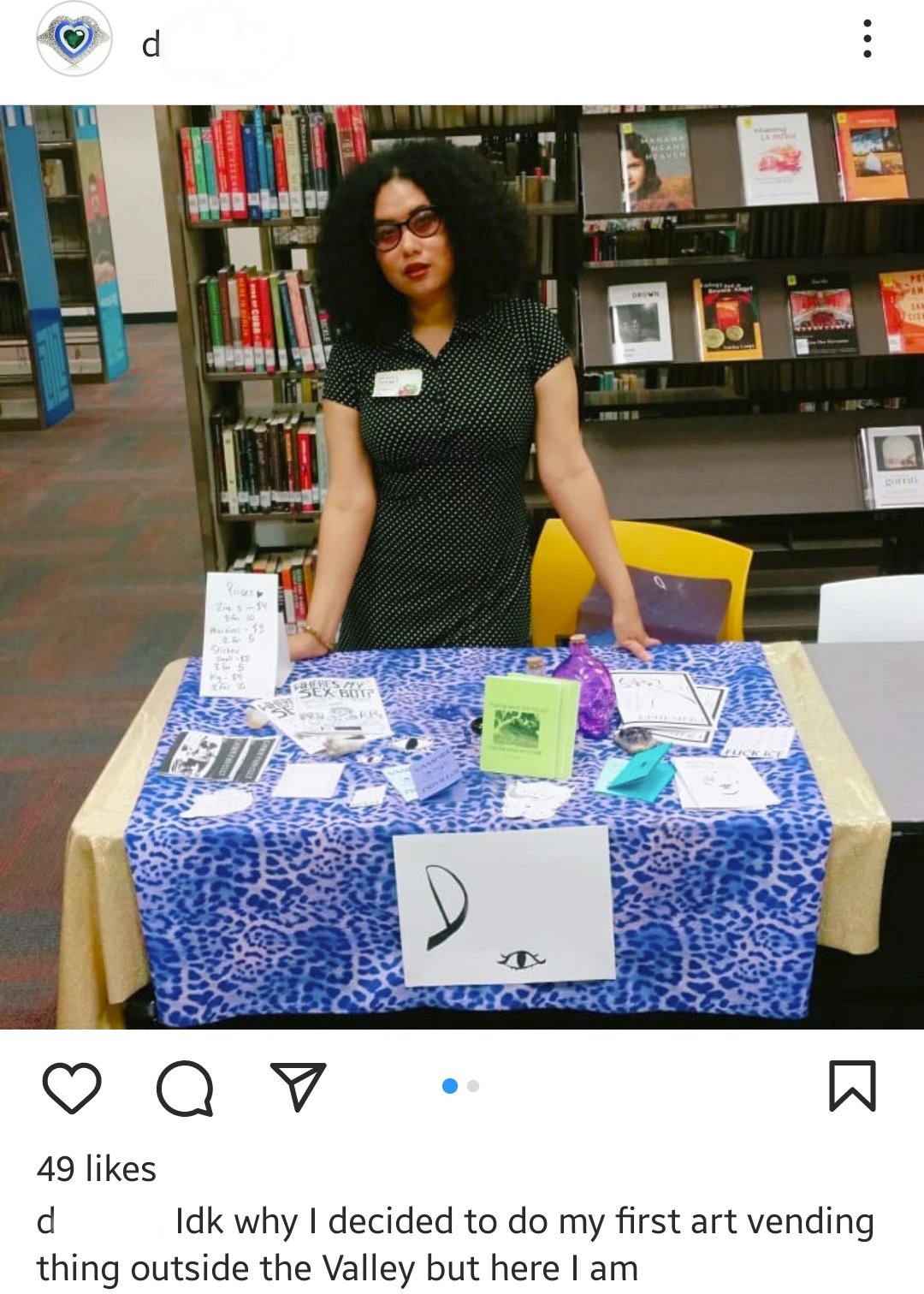
In 2026, the word “zine” has many contradictory meanings. Traditionalist that I am, the process entails this (stuff I have formally studied in bold):
- Transcribing information, thoughts, and essays (writing)
- Making drawings and relevant photos (visual arts)
- Putting all the elements together (graphic design)
- Creating the print layout (graphic design)
- Printing the masters (is that the correct word?) as cheap as possible
- Xeroxing as many copies as I need
- Cutting the pages
- Stapling it all together
- Distributing it to the community
As an art form, it is rooted in the 90’s punk scene, so how it looks is not really the important part. Which is good, because once I hit the xeroxing stage, things get very warped and slightly ugly.
I like that though…I think it’s cute and charming.
However, that’s a hard sell in the age of relatively cheap, professionally printed self-published goods.
Besides, selling them is not really the point.
90’s punks understandably had a lot to be angry about, and the only way they could express and disseminate very vital, very frowned upon ideas was through zines. Yet, with the way things are now…the 90’s seem like a kind of paradise.
I wish I lived in a world that was right, but in order to get there, I must exist in the here and now.
As Dee Valdes, I really don’t want to sell things I myself cut and copy, but that impulse towards self-publishing is fundamental to how I see things. The form introduced itself to me when I was high school, and it felt like a revelation — you can just do things. I would buy random zines online, then make some to encase my screaming spirit. I had always felt painfully, singularly alone, but through the mediation of a copy machine, my essence would instantly multiply…just like magic.